
For decades we were told to cut back on saturated fats. Butter was out, margarine was in, and vegetable oils were promoted as the heart-healthier choices. Today, the conversation around dietary fats seems to have flipped. Butter, tallow, and other traditional fats are finding their way back into kitchens, while industrial seed oils are becoming demonized.
So what changed? And with so many conflicting opinions, how do we make thoughtful choices about the fats we eat? Let’s take a closer look at how we got here, what we know today, and how to choose fats that make sense for your kitchen.
Looking back
For much of human history, people cooked with fats available in their local environment. Depending on the region, these included butter, lard, tallow, olive oil, and (in warmer regions) coconut oil. Animal fats were often rendered and stored for cooking, while oils were pressed from olives, nuts, and seeds.
During the 20th century, advances in industrial oil extraction and processing, the growth of large-scale agriculture, and demand for inexpensive ingredients elevated vegetable oils and the solid trans fats to a staple of the modern diet. Many traditional fats were replaced with these much cheaper alternatives.
At the same time, concerns about saturated fat and cholesterol shaped decades of the official nutrition advice. Butter, lard, and tallow were increasingly viewed as bad fats to avoid, while processed oils, shortening, and margarine were popularized and promoted as healthier alternatives.
Since trans fats lost their GRAS status in 2015 (GRAS stands for “Generally Recognized As Safe, more info at https://www.fda.gov/media/101042/download) and have largely been eliminated, the tide is now turning for industrially extracted vegetable and seed oils. Voices to avoid consuming these oils and to move back to more traditional fats are becoming louder again.
Traditional Fats
Traditional fats have been used in kitchens for centuries. Each has its own characteristics:
- Butter adds flavor and works beautifully for gentle sautéing, baking, and finishing dishes. Because it contains milk solids that can burn, it is best suited for low heat.
- Ghee is clarified butter with most of its water and milk solids removed. Its higher smoke point makes it useful for sautéing and higher-temperature cooking.
- Beef tallow is a rendered fat traditionally used for roasting, frying, and cooking savory dishes.
- Lard is rendered pork fat that can work well in savory cooking and pastries.
- Mechanically pressed oils from olive, sesame, and other fruit or seeds have different applications depending on the oil.
It’s important to remember that traditional does not automatically mean healthier in every context. The quality of a food depends on where it comes from and how much it was processed on the way to your table.
The amount we eat is just as important. Even high-quality fats are best enjoyed as part of a varied diet that includes plenty of vegetables, fruit, quality protein, and other nutrient-rich whole foods. As with so many things in nutrition, balance is key.
Quality also Matters!
Products from animals raised in concentrated animal feeding operations (CAFOs) are often cheaper than those from animals that have been raised species appropriately. But that lower price can come with significant costs, including:
Other healthy fat sources
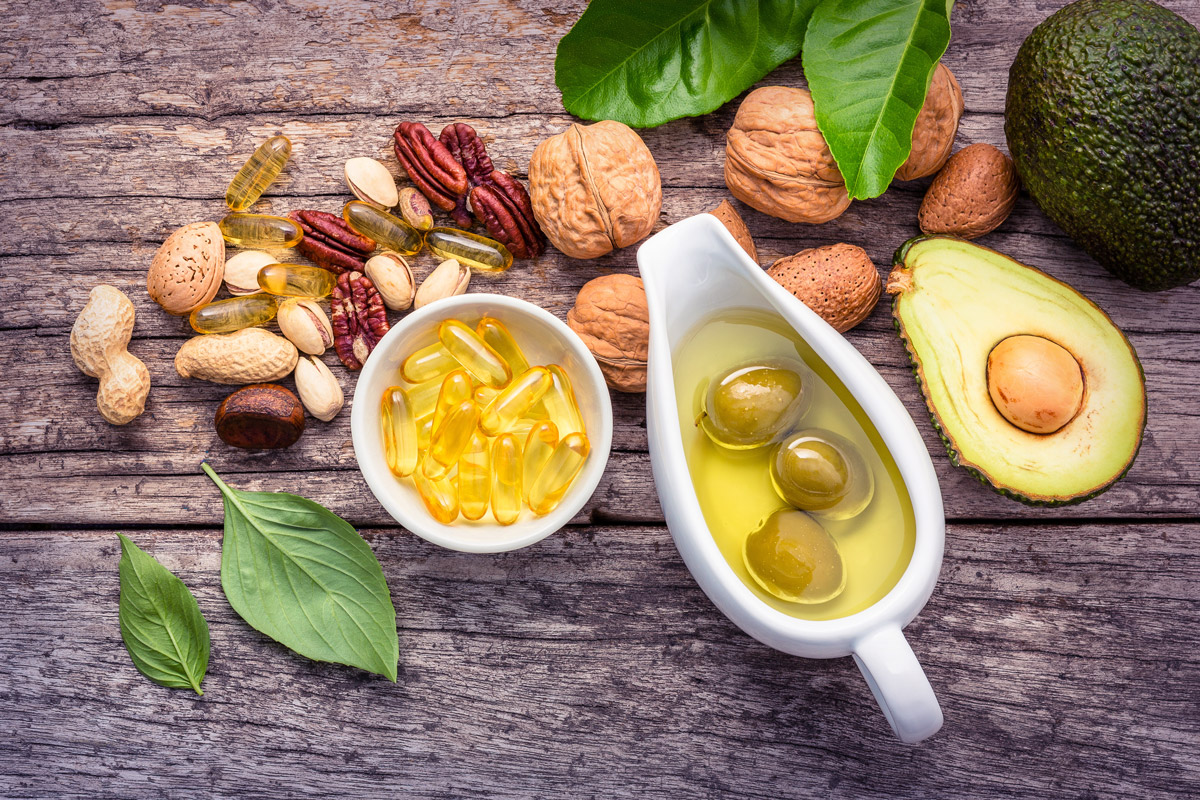
- Avocados and olives provide fat alongside other nutrients
- Nuts and seeds provide unsaturated fats, fiber, minerals, and other plant compounds
- Fatty fish provides EPA (eicosapentaenoic acid) and DHA (docosahexaenoic acid) omega-3 fats, which are different from the ALA (alpha-linolenic acid) found in many plant foods
- Eggs and dairy provide fat alongside protein and other nutrients, with composition varying by food and production method.
- Animal welfare and living conditions
- Water, air, and soil pollution
- Pathogen transmission and antibiotic resistance
- Animal feed and meat quality
- Land use and its impact on ecosystems
- Energy consumption and resource use
By contrast, on well-managed farms that raise animals according to their natural needs, the animals become an important part of the farm’s ecosystem and contribute to nutrient cycling, soil health, and land management. When animals are raised this way, farming supports both animal well-being and a healthier relationship with the land. And often, you can taste the difference!
Bringing Discernment Back to the Table
Nutrition advice changes as research develops, and the conversation about fats is a good reminder to stay curious without jumping from one absolute rule to another.
We don’t need to fear every seed oil, nor do we need to assume that every traditional fat is automatically ideal. By being intentional about what we eat, how our food is produced, and how much of our diet comes from processed products, we can build meals around a variety of nutrient-rich foods.
Suggested Fat Use Guidelines

Use minimally processed oils when they suit the purpose. Cold-pressed oils avoid solvent extraction and generally retain more of their original flavor, pigments, and other naturally occurring compounds. They can be a good choice when produced from high-quality raw materials and stored correctly. Look for reputable cold-pressed or virgin oils, and buy from producers who provide clear information about their methods.

Choose the right oil for the task. Extra-virgin olive oil works well for dressings and other everyday cooking. Ghee or tallow can suit higher-heat applications if they fit your dietary preferences.

Store oils carefully. Protect them from heat, light, and air, and follow the manufacturer’s storage guidance.

Pay attention to the entire food. Packaged foods often contain industrially refined oils alongside many other ingredients.

Ask questions about sourcing and production. Transparent manufacturers should be able to explain whether their oil is pressed or solvent-extracted and how they control quality.
Conclusion
There is one important conclusion we can draw from the changing debate: the quality of our diet depends on more than one single ingredient. Choosing minimally processed foods, using cooking fats appropriately, and paying attention to how our food is produced are all part of a more thoughtful approach.
Written by Karen Wegehenkel
Medically reviewed by Dr. McClane Duncan
Sources
FDA: Final Determination Regarding Partially Hydrogenated Oils (Removing Trans Fat)
https://www.fda.gov/food/food-additives-petitions/final-determination-regarding-partially-hydrogenated-oils-removing-trans-fat
Cochrane: Effect of cutting down on the saturated fat we eat on our risk of heart disease
https://www.cochrane.org/evidence/CD011737_effect-cutting-down-saturated-fat-we-eat-our-risk-heart-disease
BMJ: Use of dietary linoleic acid for secondary prevention of coronary heart disease and death: evaluation of recovered data from the Sydney Diet Heart Study and updated meta-analysis
https://www.bmj.com/content/346/bmj.e8707
PubMed: Dietary intake and biomarkers of linoleic acid and mortality: systematic review and meta-analysis of prospective cohort studies
https://pubmed.ncbi.nlm.nih.gov/32020162/
Dr. Joseph Mercola: The War on Saturated Fat Is Finally Coming to an End
https://articles.mercola.com/sites/articles/archive/2025/09/15/war-on-saturated-fat-finally-ending.aspx
Dr. Joseph Mercola: Seed Oils Linked to Early 20th Century Heart Disease Surge
https://articles.mercola.com/sites/articles/archive/2026/02/16/seed-oils-and-heart-disease-connection.aspx
Dr Joseph Mercola: Getting Your Omega-3 to Omega-6 Ratio Right Is Essential
https://articles.mercola.com/sites/articles/archive/2023/05/05/omega-3-omega-6-ratio.aspx
Dr. Joseph Mercola: Iron and Vegetable Oil Are a Deadly Combo
https://articles.mercola.com/sites/articles/archive/2021/11/10/pufas-iron-intake-and-dpn.aspx