
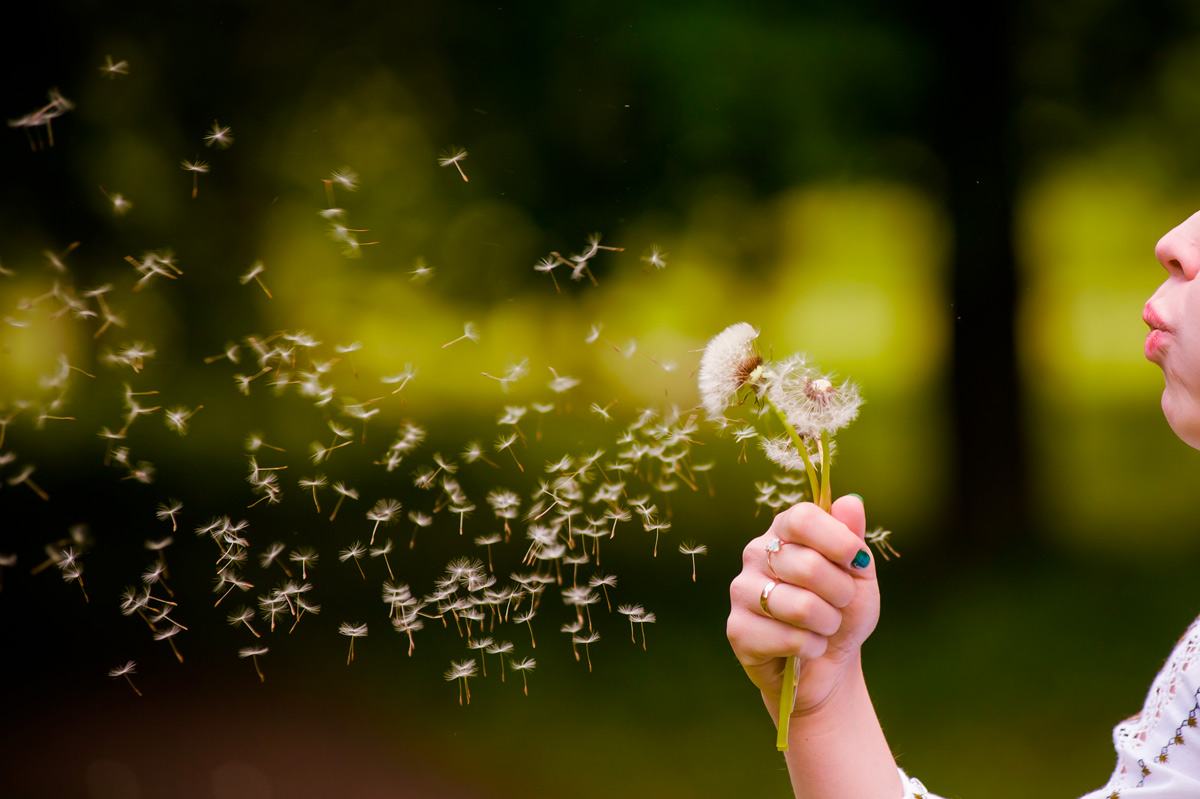
Allergies are an overreaction of the immune system to harmless substances like pollen, dust, or certain foods. Symptom suppression with anti-histamines, the typical approach of conventional medicine, can be very important for improving quality of life. But as naturopathic doctors we always want to ask WHY the body is reacting in this way, how these triggers can be removed and how we can modulate the immune response naturally. After all, allergies are a sign that the body is out of balance in its current environment.
For quick help when allergies flare up, here are a few natural strategies that can improve symptoms:

Take a shower and change clothes
Any allergens stuck to your clothes, skin, or hair will be removed this way, relieving you from symptoms. Warm steam with eucalyptus essential oil also helps relieve nasal congestion.
Rinse nasal passages with saline
Flush out mucus and allergens, especially when congested. Use saline sprays or kits, distilled, sterile, or boiled (and cooled) water but never tap water.
Keep doors and windows closed
Reduce presence of allergens in your home. Use an air purifier with a HEPA filter indoors to reduce exposure, especially in the bedroom during sleeping hours.
Herbal Supplements
Quercetin and stinging nettle leaves can stabilize mast cells, reducing how much histamine is released – the chemical in the body responsible for sneezing, itchy eyes etc.. Quercetin can be more effective earlier in the allergy season to try to stop the allergic response before it begins.
For better absorption, take it withVitamin C. Vitamin C also has a natural anti-histamine effect on its own.
Other herbs likeeyebright, horseradish, licorice root, goldenseal, cayenne, thyme and sage can play a role in reducing histamine and inflammation, improving congestion, thinning the mucus, soothing mucosal tissue and preventing sinus infections.
There are also compounds that help break down excess histamine in the body, such as the enzyme diamine oxidase available in supplement form.
Talk to your doctor at Siskiyou Vital Medicine for herbal and supplemental support for allergies during the spring season.
Possible Root Causes of Allergies
Once allergy season is over and your symptoms have subsided, it is time to look for possible root causes and start working on healing ahead of the next allergy season.
Gut Health and Microbiome Imbalance.
Chronic inflammation, dysbiosis (imbalanced gut flora), and leaky gut can make the immune system hypersensitive. Many people with environmental allergies also show signs of food sensitivities, which can be both a clue and a contributing factor.
Toxic Load.
When detox pathways are sluggish or overloaded, the immune system becomes reactive and hypervigilant, misidentifying benign substances as threats.
Chronic Stress and Emotional Trauma.
Chronic stress weakens the immune system and disrupts nervous system regulation, making allergic responses more likely.
Inherited Patterns and Epigenetics.
Genetics definitely play a role, as does the expression of allergic tendencies shaped by environmental inputs, lifestyle, and even ancestral trauma.
Can Allergies Actually Be Healed?
The body has a natural inclination toward healing. In naturopathic medicine the goal is to remove the obstacles to cure and support the body’s natural healing cycle.
Here are some treatment avenues that can be explored:
Restore Gut Integrity
1. Food Sensitivities.
Food sensitivities can be tricky to detect, since symptoms may not appear for hours – or even days – after eating the trigger. Common reactions include bloating, headaches or migraines, brain fog, skin rashes, and more.
There are also foods known to be high in histamine (fermented foods, aged foods, alcohol, chocolate etc). Avoiding these can help reduce the overall histamine load on the body. Keeping a food journal for a few weeks can help you spot patterns and identify potential triggers.
An elimination diet, combined with your food journal, is one of the most reliable ways to confirm your suspicions. There are also tests available to identify your immune response to certain foods.
2. Leaky gut…
…occurs when the tight junctions between cells lining the intestinal wall become compromised, allowing substances like undigested food particles, toxins, and microbes to pass into the bloodstream. These intrusions can trigger inflammation and immune reactions, including allergies.
To help repair and strengthen the gut lining, certain supplements can be very effective. Quercetin helps stabilize mast cells and reduce inflammation, while L-glutamine nourishes gut cells and supports the integrity of those tight junctions. Slippery elm bark soothes and coats the digestive tract, and licorice root calms and protects the mucous membranes. Bone broth is an example of a gut-friendly food, offering amino acids and nutrients that promote healing of the gut lining.
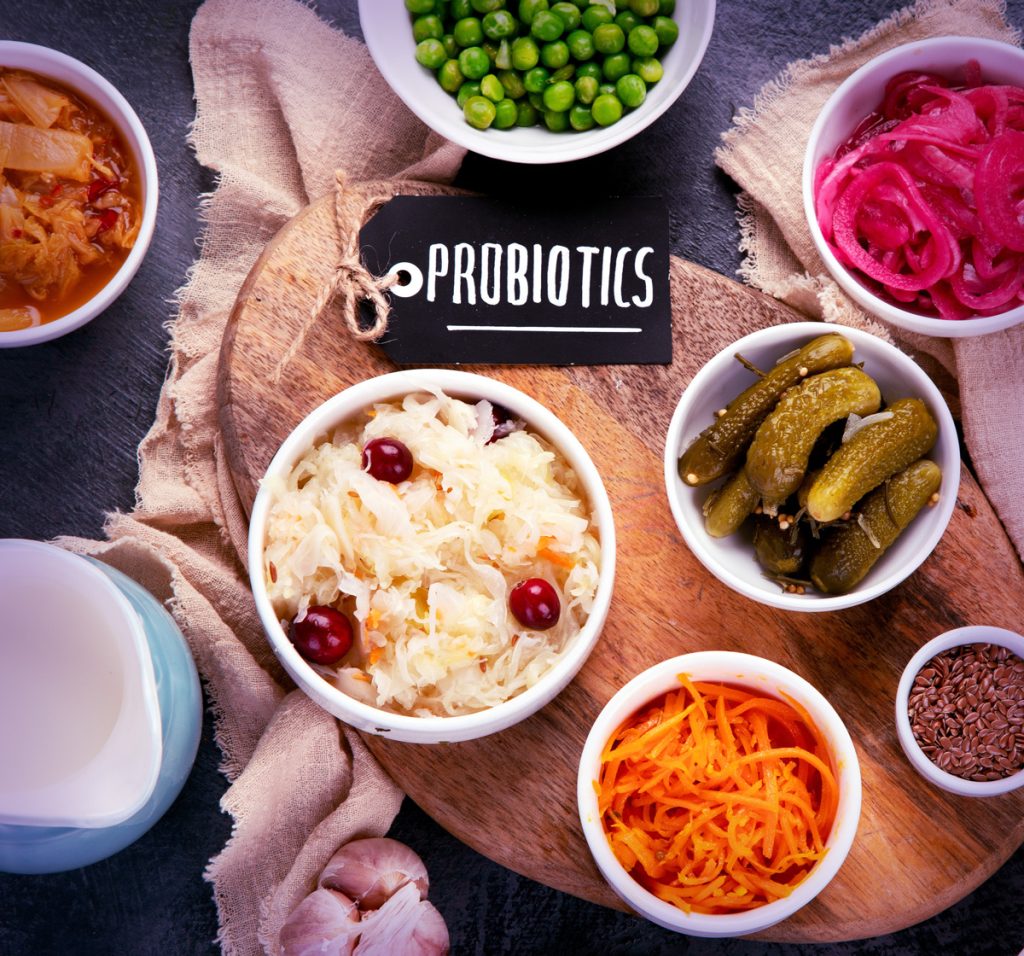
3. Repopulate Gut Flora.
A diet rich in probiotics and prebiotics supports a diverse and balanced gut microbiome, which in turn helps strengthen the gut lining and regulate immune responses. Probiotic supplements can also be a helpful strategy for repopulating a healthy microbiome. But it may be best to test with a comprehensive stool sample to see what support your particular gut is lacking or needing.
Your naturopathic physician can help you choose the right testing, supplements, and dietary plan to support your individual healing journey.
Support Detoxification Pathways
Supporting your liver, kidneys, lymphatic system, and skin can help your body clear out accumulated inflammatory proteins and other toxins more efficiently—an important step in reducing the overall burden on your immune system.
Naturopathic care offers a variety of gentle and effective ways to support detoxification:
- Herbs (milk thistle, dandelion root, turmeric)
- Antioxidants (vitamin C, glutathione)
- Digestive enzymes
- Dry brushing
- Exercise
- Lymphatic drainage massage
- Sauna
- Epsom salt baths
- Avoiding toxins wherever possible.
Address Emotional, Energetic Imbalances and Nervous System dysregulation
Unresolved stress, trauma, or suppressed emotions can keep the nervous system in a state of hypervigilance, which in turn disrupts immune function and increases sensitivity to allergens. By exploring the deeper emotional patterns behind allergic reactions, we create space for the body to feel safe again – allowing the immune system to recalibrate and respond more appropriately to the environment.
Regulating the nervous system down and bringing it out of its stress response reduces overall reactivity, lowers histamine levels, and brings the immune system back into balance. Below are a few techniques on how to achieve that:
The following therapies could be explored with local practitioners as part of an energetic/nervous system/emotional approach to addressing allergies:
- NAET (combination of kinesiology and acupuncture/acupressure)
- EFT (tapping)
- Somatic therapy
- Hypnotherapy
- Family constellations
- Homeopathy
Mindfulness Practices
Body scan meditation, Gratitude journaling, Grounding
Breathing Exercises
Box Breathing, 4-7-8 Breathing, Coherent Breathing optimizes vagus nerve tone, calms the mind, balances the autonomic nervous system, and improves immune function
Vagus Nerve Activation
Humming, chanting, or singing, gargling, Cold face splashes, or deep, slow nasal breathing
A New Paradigm of Allergy Healing
When we listen to the body’s messages and address the deeper causes, allergies can be a powerful entryway to overall healing. At Siskiyou Vital Medicine, we believe in the body’s innate capacity to heal. If you’re tired of spending the beautiful spring days sitting inside and would like to address the root cause of your allergies, we’re here to support you with personalized, whole-person care.
Written by Karen Wegehenkel
Medically reviewed and edited by Dr. Kimani Borland ND
Further reading
Dr. Joseph Mercola
Why Benadryl Is an Outdated and Unsafe Allergy Treatment
https://articles.mercola.com/sites/articles/archive/2025/09/30/benadryl-dangers-risks-alternatives.aspx
Dr. Joseph Mercola
Your Gut Nervous System Helps Regulate Intestinal Barrier and Allergy Risk
https://articles.mercola.com/sites/articles/archive/2025/12/31/gut-nervous-system.aspx
L C F L Melli, M S do Carmo-Rodrigues, H B Araújo-Filho, D Solé, M B de Morais
Intestinal microbiota and allergic diseases: A systematic review
https://pubmed.ncbi.nlm.nih.gov/25985709
Remo Poto, William Fusco, Emanuele Rinninella et al
The Role of Gut Microbiota and Leaky Gut in the Pathogenesis of Food Allergy
https://pubmed.ncbi.nlm.nih.gov/38201921
Francesca De Filippis, Lorella Paparo, Rita Nocerino et al
Specific gut microbiome signatures and the associated pro-inflamatory functions are linked to pediatric allergy and acquisition of immune tolerance
https://www.nature.com/articles/s41467-021-26266-z
Zuyi Weng, Bodi Zhang Shahrzad Asadi, Nikolaos Sismanopoulos et al
Quercetin Is More Effective than Cromolyn in Blocking Human Mast Cell Cytokine Release and Inhibits Contact Dermatitis and Photosensitivity in Humans
https://pmc.ncbi.nlm.nih.gov/articles/PMC3314669
Jiri Mlcek, Tunde Jurikova, Sona Skrovankova, Jiri Sochor
Quercetin and Its Anti-Allergic Immune Response
This review shows quercetin inhibits histamine, leukotrienes, prostaglandins, and inflammatory mediators – all key players in allergic responses.
https://pmc.ncbi.nlm.nih.gov/articles/PMC6273625
NCCIH Clinical Digest, National Center for Complementary and Integrative Health
Seasonal Allergies and Complementary Health Approaches: What the Science Says
https://www.nccih.nih.gov/health/providers/digest/seasonal-allergies-and-complementary-health-approaches-science
Roy Nambudripad, Md
Alleviation of Peanut Allergy through Nambudripad’s Allergy Elimination Techniques (NAEt): A Case Report
https://journals.sagepub.com/doi/abs/10.7453/gahmj.2014.025
Caroline B Terwee
Succesful treatment of food allergy with Nambudripad’s Allergy Elimination Techniques (NAET) in a 3-year old: A case report
https://pmc.ncbi.nlm.nih.gov/articles/PMC2556663
Dr. Joseph Mercola
Washing Offers Relief from Hay Fever Eye Irritation
https://articles.mercola.com/sites/articles/archive/2026/01/02/eye-washing-hay-fever-relief.aspx